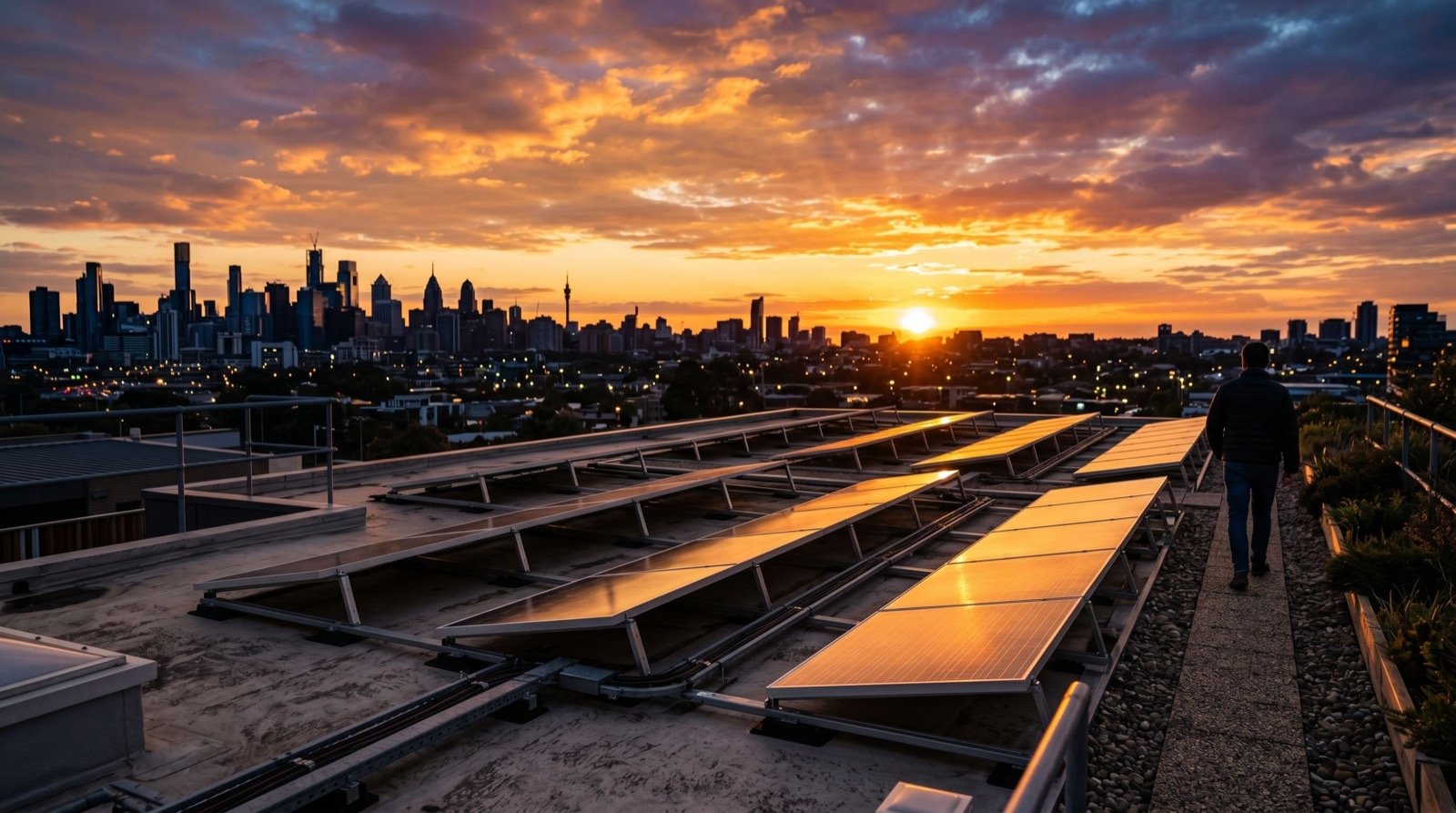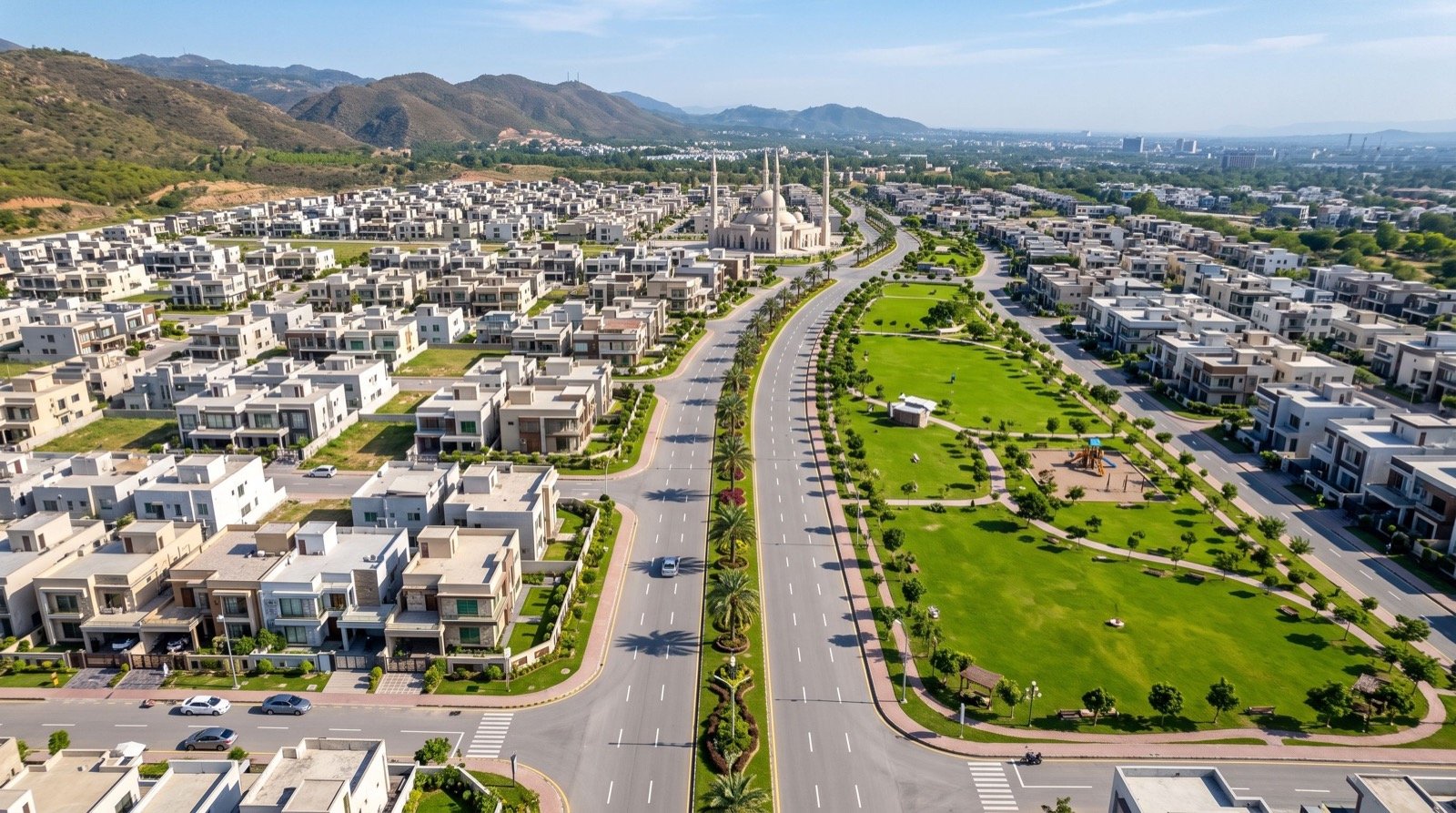
Every few months another tariff notification lands, and households across Pakistan watch their electricity bills climb to figures that would have seemed absurd five years ago. Fuel price adjustments, quarterly revisions and capacity charges have turned a routine utility payment into one of the largest line items in a family budget. Against that backdrop, rooftop solar has quietly moved from a status symbol to a financial decision that deserves the same scrutiny you would give any serious investment.
The trouble is that most conversations about solar stay vague. “It pays for itself,” people say, without ever showing the working. This article does the arithmetic properly: what a system genuinely costs in 2026, how the savings stack up month by month, which hidden benefits never appear on a spreadsheet, and the avoidable mistakes that quietly stretch a three-year payback into six.
Understand Your Bill Before You Price a System
Pakistani electricity tariffs are built on slabs, and the slabs are punishing. Cross from the 200-unit bracket into the 300-unit bracket and every unit you consume becomes dramatically more expensive; climb past 700 units in summer and you are paying some of the highest effective residential rates in the region. That structure matters because solar does not merely reduce consumption — it can pull your entire bill down into a cheaper slab, which multiplies the saving well beyond the raw units generated.
So before you speak to a single vendor, pull out your last twelve bills and note the units consumed each month, not the rupee amounts. The pattern you find — perhaps a winter floor of 300 units and a summer peak of 900 — is the single most important input for every calculation that follows.
What a Rooftop System Actually Costs in 2026
Panel prices have fallen steadily as global manufacturing capacity has expanded, and Pakistan’s import market has passed much of that decline on to buyers. A quality grid-tied setup today typically lands somewhere between Rs 140,000 and Rs 180,000 per installed kilowatt, depending on panel tier, inverter brand and the structure work your roof requires. A hybrid system with lithium storage costs meaningfully more, because batteries remain the most expensive component per usable unit of electricity.
Be wary of quotations that undercut the market by a third. Those savings almost always come from thinner mounting structures, unbranded inverters or refurbished panels — precisely the components whose early failure erases your return.
The Payback Calculation, Step by Step
Take a typical 6 kW grid-tied system in central Punjab. It will generate roughly 700 to 800 units in a good month, less through December fog and monsoon cloud. If your household consumes most of that power directly, you are offsetting units billed at the upper slabs — the most expensive electricity you buy. For many families this translates into monthly savings of Rs 25,000 to Rs 35,000 in summer, with a smaller but still meaningful figure in winter.
Set those savings against a system cost of roughly one million rupees and the break-even point falls between three and four years. Panels carry twenty-five-year performance warranties, which means two decades of essentially free daytime power after payback — a return profile few other household investments can match.
The Savings That Never Appear on a Spreadsheet
Payback math usually stops at the bill, but three further benefits deserve a place in your thinking. First, solar acts as insurance against future tariff hikes: every increase announced after installation makes your system more valuable, not less. Second, a documented, professionally installed array adds resale value to a property in much the same way a completed boundary wall or a dedicated transformer connection does. Third, families running UPS units or generators through load-shedding can retire fuel and battery-replacement costs entirely with a hybrid setup.
None of these figures show up in a vendor’s brochure, yet over a decade they can rival the direct bill savings themselves.
Where ROI Quietly Goes Wrong
The most common mistake is oversizing without net metering in place. A system that produces far more than you consume, with no mechanism to export the surplus, is capital sitting idle on your roof. The second is pairing premium panels with a bargain inverter; the inverter is the component that fails first and it dictates real-world yield. The third is ignoring shade — a water-tank shadow crossing two panels at noon can drag down the output of an entire string.
Dust is the silent killer. Through Punjab’s dry months, uncleaned panels can surrender ten to fifteen percent of their generation. A simple fortnightly wash protects the yield your payback depends on.
Getting Quotes You Can Actually Compare
Ask every vendor for an itemized quotation: panel make and wattage, inverter model, structure specification, cabling brand and warranty terms, each priced separately. Lump-sum quotes make comparison impossible and hide substitutions. Homeowners shopping for solar panels in Rawalpindi will notice that reputable installers volunteer this detail without being pushed, and back it with written generation estimates for your specific roof.
The property world teaches an identical lesson: guides on buying plots in the capital consistently warn buyers to deal only with dependable specialists rather than the cheapest dealer in the market, and rooftop solar rewards exactly that discipline. Further south, an established solar company in Lahore should be equally willing to share references from systems that have been running for years, not just last month’s installations.
Protecting the Return After Installation
An ROI is not earned on commissioning day; it is earned across a decade of uneventful operation. Insist on a proper handover: string layout drawings, inverter login credentials, warranty cards and a written maintenance schedule. Open the monitoring app monthly and compare generation with the same month last year — a sudden drop is your earliest warning of a loose connection or a degraded panel.
Budget a small annual amount for cleaning and inspection. Owners who treat solar as a fit-and-forget purchase routinely surrender a fifth of the return they were promised.
Key Takeaways
- Solar savings multiply when generation pulls your bill out of the expensive upper tariff slabs.
- Expect roughly Rs 140,000–180,000 per installed kilowatt for a quality grid-tied system in 2026.
- A well-sized 6 kW system commonly breaks even in three to four years, then produces for two more decades.
- Tariff-hike protection, added property value and retired generator costs are real returns that never appear in quotes.
- Cheap inverters, shading and dust are the three most common reasons payback projections fail.
- Itemized quotations and a documented handover protect the return long after installation day.
The Bottom Line
Rooftop solar in Pakistan has crossed the threshold where the numbers argue for themselves. With tariffs trending upward, hardware prices trending down and payback periods now shorter than a typical car loan, the question for most bill-burdened households is no longer whether solar pays, but how quickly — and the answer depends far more on buying decisions than on sunshine.
Do the arithmetic on your own twelve months of bills, demand itemized quotes, refuse bargain components and plan for maintenance from day one. Treat the system as the long-term financial asset it is, and the roof over your head will spend the next twenty-five years quietly paying you back.